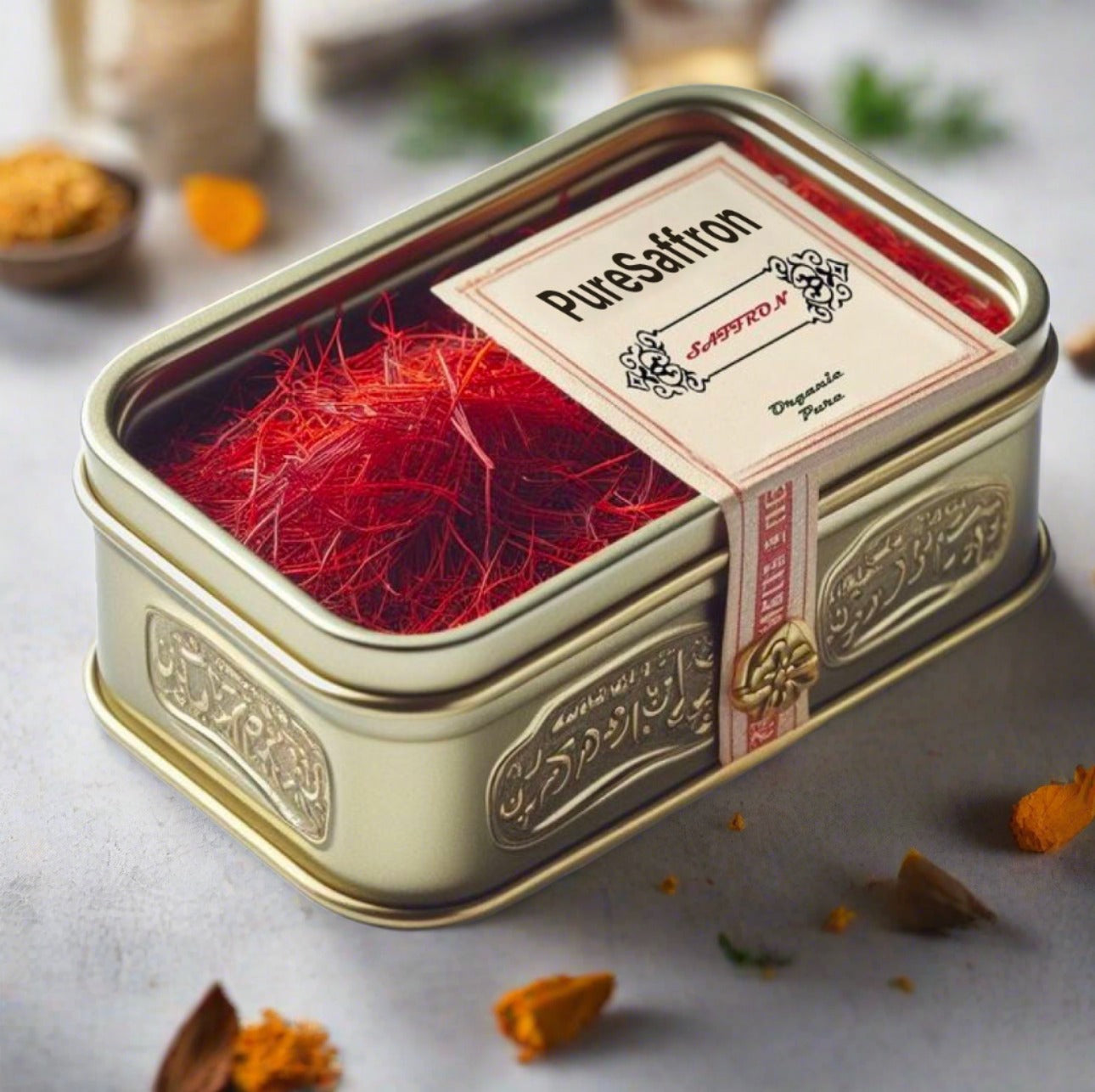
Food vs Supplement: When Culinary Saffron Is Enough (and When Not)
Ara OhanianShare
Saffron threads in your paella and saffron extract in a capsule are not the same thing, even though they come from the same plant. The difference matters because clinical trials that demonstrate saffron’s effects on mood, sleep, or appetite use standardized extracts at specific doses—not pinches of threads stirred into rice. Understanding where culinary saffron ends and supplemental saffron begins helps you make informed decisions about what you’re actually getting from each form.
The Fundamental Difference: Concentration
A typical culinary serving of saffron uses 10–30 threads, which weighs roughly 30–100 mg. Those threads contain crocin, safranal, and picrocrocin within a complex matrix of sugars, fiber, and volatile compounds. The total crocin content of high-quality threads is approximately 4–6% by weight according to the FAO/WHO monograph, meaning 100 mg of threads delivers roughly 4–6 mg of crocin.
A standardized saffron supplement delivering 30 mg of extract may contain 2–3.5% crocin (or higher, depending on the brand’s standardization), but that extract has been concentrated to deliver a consistent pharmacological dose. Some branded extracts like affron standardize to specific lepticrosalide content, while Satiereal and other formulations use different standardization markers.
The clinical implication: most mood and sleep trials use 28–30 mg of standardized extract daily, which delivers a concentrated crocin dose that culinary amounts simply cannot match thread-for-thread.
What Happens After You Swallow: Bioavailability
Pharmacokinetic research reveals a surprising detail: crocin itself is not detected in human blood plasma after oral intake. Instead, gut enzymes rapidly hydrolyze crocin into crocetin, its fat-soluble aglycone form, which is then absorbed into the bloodstream. Crocetin plasma levels peak at 60–90 minutes after ingestion and then gradually decline.
This conversion matters for the culinary vs. supplement question. In a standardized extract, the crocin is presented in a form optimized for gut absorption and conversion. In whole threads, crocin is embedded in a food matrix that may slow or alter its release—though the sugar moieties on crocin molecules actually enhance bioaccessibility to intestinal cells compared to free crocetin alone.
One pharmacokinetic study found that even a low dose of crocin from affron extract (2–3 mg) produced plasma crocetin levels comparable to studies using much higher doses of purified crocetin, suggesting that the crocin-to-crocetin conversion pathway is efficient. This doesn’t mean culinary saffron achieves the same effect—it means the conversion mechanism works well when adequate crocin reaches the gut.
When Culinary Saffron Is Enough
| Goal | Culinary Saffron Sufficient? | Why |
|---|---|---|
| Enjoying flavor, color, and aroma in cooking | Yes | 10–30 threads per dish delivers full sensory experience |
| General antioxidant intake as part of a varied diet | Likely yes | Regular culinary use contributes carotenoids and polyphenols alongside other dietary sources |
| Cultural and traditional wellness practices | Yes | Traditional saffron milk, golden rice, and similar preparations have centuries of safe culinary history |
| Mild relaxation from a warm saffron beverage | Possibly | The ritual and warmth contribute alongside small amounts of safranal; no clinical dose required for subjective comfort |
| Reaching clinical trial doses for mood support | No | Would require consuming 500–750 mg of threads daily to approximate extract-equivalent crocin levels |
| Matching sleep trial protocols (14–30 mg extract) | No | Culinary amounts fall far short of standardized extract concentrations used in RCTs |
| Replicating appetite/craving trial conditions | No | The Satiereal trial used 176.5 mg/day of a specific extract—impossible to match with cooking threads |
The honest summary: if your goal is culinary enjoyment and general dietary diversity, saffron threads are perfect. If you are trying to replicate a specific clinical outcome demonstrated in a trial, culinary amounts are almost certainly insufficient.
When a Supplement Might Be Considered
A standardized saffron supplement enters the conversation when someone wants to achieve the specific effects studied in clinical trials. The evidence base is strongest for mild-to-moderate depression (multiple meta-analyses supporting 30 mg/day of standardized extract) and sleep quality (meta-analysis of 8 RCTs at 14–30 mg/day).
However, “might be considered” requires context. Supplements are not regulated like pharmaceuticals. The extract in a capsule may not match the extract used in a clinical trial. Different brands use different standardization methods, and a product labeled “saffron extract” without specifying crocin or safranal content provides no way to verify clinical relevance.
Before choosing a supplement, consider whether the specific extract and dose match a published trial, whether the manufacturer provides third-party testing (ConsumerLab, NSF, USP), whether you have discussed saffron supplementation with a healthcare provider (especially important if you take SSRIs, blood pressure medications, or diabetes drugs), and whether your expectations align with what the evidence actually shows rather than marketing claims.
The Dose Math: Threads vs. Extract
| Form | Typical Daily Amount | Estimated Crocin Content | Clinical Relevance |
|---|---|---|---|
| Culinary threads (light use) | 10–15 threads (30–50 mg) | 1.2–3 mg crocin | Below any clinical trial dose |
| Culinary threads (generous use) | 20–30 threads (60–100 mg) | 2.4–6 mg crocin | Still below clinical trial doses |
| Saffron milk or tea (daily) | 5–15 threads (15–50 mg) | 0.6–3 mg crocin | Subclinical; ritual and taste benefits |
| Standardized extract (affron type) | 28–30 mg extract | Standardized to lepticrosalides ≥3.5% | Matches mood and sleep trial protocols |
| Standardized extract (Satiereal type) | 176.5 mg extract | Proprietary standardization | Matches appetite/craving trial protocol |
A common misconception is that eating “more saffron” in food can bridge this gap. To reach 30 mg of standardized extract equivalent, you would need roughly 500–750 mg of threads daily (approximately 150–225 threads), which would be impractical, expensive, and could approach the lower boundary where mild side effects have been reported.
Safety Comparison
Culinary saffron has an excellent safety profile. Normal cooking amounts (up to 100 mg/day) are well below the 1.5 g/day threshold where adverse effects have been observed in toxicology reviews, and far below the 5 g dose associated with serious toxicity. At typical culinary levels, you are consuming roughly 1–3% of the lowest dose associated with any reported side effect.
Supplemental saffron at 30 mg/day of standardized extract also has a strong safety record across dozens of clinical trials. However, supplement doses introduce considerations that culinary use does not: potential interactions with SSRIs (additive serotonin effects), blood pressure medications (additive hypotensive effects), and diabetes medications (additive glucose-lowering effects). These interactions are dose-dependent and generally not a concern at culinary levels.
Frequently Asked Questions
Can I just use more saffron in my cooking instead of taking a supplement?
Technically you could increase your culinary intake, but the amounts needed to match clinical trial doses (500+ mg of threads daily) would be impractical and expensive. A single gram of premium saffron costs $5–15 depending on grade, so a clinical-equivalent daily dose from threads could cost $2.50–11 per day versus $0.30–1.00 for a standardized supplement capsule. More importantly, culinary doses have not been studied in clinical trials, so you would be extrapolating without evidence.
Does saffron tea or golden milk count as a “clinical dose”?
Traditional saffron beverages typically use 5–15 threads (15–50 mg), which delivers roughly 0.6–3 mg of crocin. This is well below the amounts used in any clinical trial. These beverages offer genuine sensory pleasure and the potential benefits of consistent small-dose antioxidant intake, but they should not be expected to produce the effects seen in supplement trials.
Are supplement extracts actually better than whole threads?
“Better” depends on your goal. For cooking, flavor, and general enjoyment, threads are superior—no capsule replicates saffron’s culinary properties. For achieving clinically studied health outcomes at validated doses, standardized extracts deliver consistent, measurable amounts of active compounds. Neither form is universally better; they serve different purposes.
How do I know if a saffron supplement matches what was used in trials?
Check three things: the specific extract name (affron, Satiereal, etc.) should match the trial, the daily dose should match the trial protocol, and the product should have third-party testing for purity. If a brand cites a study that used affron at 28 mg/day but sells a different extract at a different dose, the study does not directly support that product.
Is it safe to use both culinary saffron and a saffron supplement?
At normal culinary amounts (up to 100 mg threads/day) plus a standard supplement dose (30 mg extract/day), the total saffron exposure remains well within safe limits. However, if you take medications that interact with saffron (SSRIs, antihypertensives, diabetes drugs), discuss combined use with your healthcare provider to monitor for additive effects.
For detailed dosing guidance, see our saffron dosage guide. To understand saffron’s evidence for specific conditions, explore our articles on sleep, anxiety, and side effects. Browse premium Persian saffron for your kitchen.